Tel: 07764254881
Gower Acupuncture
  • Home
  • Pain
    • Headache & Migraine
    • Back Pain
    • Stress & Anxiety
  • Booking & Cost
  • About Tim
    • Reviews
    • Acupuncture Treatment Details
  • Contact
  • News
  • Click to open the search input field Click to open the search input field Search
  • Menu Menu

The Dangers of Pain Killers

January 22, 2026/0 Comments/in Pain/by Tim W

The Danger of Opioid Based Medication

Opioid medication such as codeine, co-codamol, tramadol, oxycodone and fentanyl is derived from the opium poppy. It is thought to work by creating a surge of dopamine which induces relaxation. As the effects of the medication wear off it can make the patient feel terrible. Fight of flight response takes over from the feelings of relaxation so the patient is then eager for their next dose. This can make it difficult to ascertain whether the patient is feeling bad due to withdrawal symptoms or because the pain is returning.

Opioid based pain killers are addictive and must be aproached with care. Different people have different tolerances to the toxins in any medication. If you find this hard to believe, consider coffee. Why is it that one person can drink 8 cups of coffee and feel fine, yet another can drink 1 cup and end up feeling jittery and light-headed? The answer lies in the ability to metabolise toxins. Some people can metabolise them well, others can’t. Thats why when taking any medication you have to take care – you may be the one who can’t metabolise it well and suffer an adverse reaction.

This isn’t unusual. According to a study at the Royal Liverpool University Hospital (RLUH) over 6 months in 2005 14% percent of patients suffered an adverse reaction to their medication. Of these half were potentially avoidable through better practice, the other half were not. The likelihood of an adverse reaction increased as the number of medications taken increased. The study listed opioid medication as one of the top 3 most likely to cause an adverse reaction (the other two were diuretics and anticoagulants).

And Its Not Just Opioids… Be Careful With Anti-Inflammatories too

Asprin, ibuprofen and naproxen are 3 of the most well known NSAIDs (Non-Steroidal Anti-Inflammatory Drugs). They are commonly used for the treatment of inflammation, pain, and fever. These compounds are believed to work by inhibiting an enzyme, cycloooxygenase, which forms substances called prostanoids that are responsible for the inflammatory response.

It’s not a good idea not to take them long term. They are responsible for up to 30% of drug related admissions to hospitals, due mainly to bleeding, stroke or renal damage. They can also cause stomach upsets. For this many doctors may prescribe a Proton Pump Inhibitor such as omeprazole. Omeprazole has been implicated in potential malabsorption of nutrients including vitamin B12, vitamin C, calcium, iron and magnesium.

Opioids & The Pharmaceutical Industry

Before 1990’s opioids were only prescribed for acute pain, palliative care and for cancer patients. It was not indicated for chronic pain. Following extensive marketing by pharmaceutical companies to convince doctors that opioids were safe, non-addictive and suitable for chronic pain, prescriptions quadrupled from 1999 to 2010 in USA. Pharmaceutical companies promoted opioids with scant proof of their claims. One of the culprits, Purdue Pharma was fined $600m for misleading the public about the addictive nature of the drug.

Former Medical Director at New York City Health Department, Andrew Kolodny, raised the alarm on over-prescription of opioids in 2004. At considerable personal cost he fought the might of the pharmaceuticals and the estimated $1bn they have spent on lobbying in the US. (If you’d like to read more – there’s a great article about Andrew Kolodny’s fight against opioid prescriptions in New Scientist, 13 Jan 2018)

Natural Potential Alternatives To Painkillers

Supplements

Before dosing yourself up with vitamins try to optimise your diet to be vitamin and mineral rich, avoiding processed food. Only then should you look to vitamins to fix any issues the improvement in your diet hasn’t fixed.

Vitamins should not be used as a short-cut or “hack” to health. They should be used where you are unable, maybe due to physiological processes in your body, to assimilate enough of the various vitamins and minerals you need. Taking significantly beyond the RDA of a vitamin or mineral does not mean it will do you more good. In some cases it will do you more harm. The body craves balance – excess of any input can create disharmony and dysfunction.

Before taking any supplementation you must carefully assess your symptoms and get a blood test to check levels before self dosing.

Vitamin D. Spend a lot of time indoors? Symptoms get worse in the winter? Don’t eat much in the way of fish, eggs or dairy? Perhaps you have a Vitamin D deficiency. Particularly important to check out given that Vitamin D deficiency has been associated with increased risk of cancer. The RDA (Recommended Dietary Allowance) of Vitamin D for most adults is 600 IU of vitamin D a day. This includes vitamin D you get from diet and sunshine. Some supplements can contain many times this limit. Over a period of months this can become toxic, resulting in calcification of soft tissue with symptoms of nausea and vomiting, weakness, bone pain and calcium stones.

Vitamin B12. Vitamin B12 deficiency can lead to demyelination of nerve sheaths (essentially damaging the nerves), mimicking symptoms of MS; weakness, tiredness, numbness and tingling, depression. Check you are eating enough B12 rich foods (red meat, fish, shell fish, fortified soy products, dairy).

Calcium. Calcium deficiency can cause a variety of symptoms; muscle spasms and cramps, numbness and tingling, brittle nails and confusion and memory loss. Its a common myth that dairy is the only source of calcium. In contrast greens such as broccoli and kale are excellent sources, as are sardines and almonds. Its important to stagger calcium intake. Too much taken at once will not be assimilated – instead taxing the kidneys as its excreted from the body.

Magnesium. Magnesium is an essential electrolyte, Its a macro nutrient meaning its needed in large quantities. It’s a nutrient important for proper muscle and nerve function, allowing muscles to relax. Deficiency can result in muscle weakness, twitching, dizziness, nausea and irritability. It can even be the root cause of low calcium or potassium levels. Bananas, avocados, nuts, dark green leafy vegetables and dark chocolate all contain high levels of magnesium.

Omega 3 Fatty Acids. Fish oil contains 2 important fatty acids – EPA and DHA. The body does not produce many of its own fatty acids. Supplementation of omega 3 found in fish oil can reduce inflammation and pain and seems to boost the effectiveness of NSAIDS such as ibuprofen.

Turmeric. This is a potent anti-inflammatory. Turmeric can suppress pro-inflammatory pathways.So much so that it is contra-indicated whilst exercising as you’ll not get the adaptation from the exercise induced inflammation.

Sleep

Sleep deprivation boosts the brains responses to pain and suppresses activity in the areas that modulate pain processing. During the deep state of Non REM sleep the body repairs and regenerates tissues, builds bone and muscle. If you’re carrying an injury its essential you get enough sleep to allow your body to carry out essential repairs & maintenance.
Depression/ Stress/ Anxiety

Depression, anxiety and stress can all increase central sensitisation – effectively turning up the volume on pain signals in the brain. To find out how to reduce stress and anxiety you can download my guide here.

Stretching

Stretching can help the local fascia release and may help to reduce pain. Initial research suggests that stretching may have more widespread effects; reducing systemic inflammation in the body. Inflammation is a key component of many modern diseases; cancer, diabetes, auto-immune disease, depression.

Alternatives To Anti-Inflammatories for Pain…

January 22, 2026/0 Comments/in Pain/by Tim W

Alternatives To Anti-Inflammatories for Pain…

dangers of medication
Asprin, ibuprofen and naproxen are 3 of the most well known NSAIDs (Non-Steroidal Anti-Inflammatory Drugs). They are commonly used for the treatment of inflammation, pain, and fever. These compounds are believed to work by inhibiting an enzyme, cycloooxygenase, which forms substances called prostanoids that are responsible for the inflammatory response.

It’s not a good idea not to take them long term. They are responsible for up to 30% of drug related admissions to hospitals, due mainly to bleeding, stroke or renal damage. They can also cause stomach upsets. For this many doctors may prescribe a proton pump inhibitor such as omeprazole. Omeprazole has been implicated in potential malabsorption of nutrients including vitamin B12, vitamin C, calcium, iron and magnesium.

So if you want to avoid NSAIDS and the associated Proton Pump Inhibitor you may be prescribed what are your options? What can potentially work to lower inflammation, pain and let you get your life back?

1. Supplements

Before dosing yourself up with vitamins try to optimise your diet to be vitamin and mineral rich, avoiding processed food. Only then should you look to vitamins to fix any issues the improvement in your diet hasn’t fixed.

Vitamins should not be used as a short-cut or “hack” to health. They should be used where you are unable, maybe due to physiological processes in your body, to assimilate enough of the various vitamins and minerals you need. Taking significantly beyond the RDA of a vitamin or mineral does not mean it will do you more good. In some cases it will do you more harm. The body craves balance – excess of any input can create disharmony and dysfunction.

The RDA (Recommended Dietary Allowance) of Vitamin D for most adults is 600 IU of vitamin D a day. This includes vitamin D you get from diet and sunshine. Some supplements can contain many times this limit. Over a period of months this can become toxic, resulting in calcification of soft tissue with symptoms of nausea and vomiting, weakness, bone pain and calcium stones.

Before taking any supplementation you must carefully assess your symptoms and get a blood test to check levels before self dosing.

Vitamin D. Spend a lot of time indoors? Symptoms get worse in the winter? Don’t eat much in the way of fish, eggs or dairy? Perhaps you have a Vitamin D deficiency. Particularly important to check out given that Vitamin D deficiency has been associated with increased risk of cancer.

Vitamin B12. Vitamin B12 deficiency can lead to demyelination of nerve sheaths (essentially damaging the nerves), mimicking symptoms of MS; weakness, tiredness, numbness and tingling, depression. Check you are eating enough B12 rich foods (red meat, fish, shell fish, fortified soy products, dairy).

Calcium. Calcium deficiency can cause a variety of symptoms; muscle spasms and cramps, numbness and tingling, brittle nails and confusion and memory loss. Its a common myth that dairy is the only source of calcium. In contrast greens such as broccoli and kale are excellent sources, as are sardines and almonds.

The way you take calcium is critical. Suficient vitamin D is needed to assimilate calcium. Excess calcium is excreted through the kidneys. Too much calcium can cause kidney stones and may raise risk of heart disease. Its important to stagger calcium intake. Too much taken at once will not be assimilated – instead taxing the kidneys as its excreted from the body.

Magnesium. Magnesium is an essential electrolyte, Its a macro nutrient meaning its needed in large quantities. It’s a nutrient important for proper muscle and nerve function, allowing muscles to relax.

Deficiency can result in muscle weakness, twitching, dizziness, nausea and irritability. It can even be the root cause of low calcium or potassium levels.
Magnesium is also critical for production of the feel good hormone serotonin. Low levels can be responsible for depression. Requirements will rise for magnesium if you’re doing hard physical work, are under emotional stress or taking certain medications such as chemotherapy, anti- fungals, medications for infections and others.

In trials magnesium tends to work best for migraine and menstrual headaches. Bananas, avocados, nuts, dark green leafy vegetables and dark chocolate all contain high levels of magnesium.

Omega 3 Fatty Acids. Fish oil contains 2 important fatty acids – EPA and DHA. The body does not produce many of its own fatty acids. Supplementation of omega 3 found in fish oil can reduce inflammation and pain and seems to boost the effectiveness of NSAIDS such as ibuprofen.

Turmeric. This is a potent anti-inflammatory. So much so that it is contra-indicated whilst exercising as you’ll not get the adaptation from the immediate inflammatory response.

2. Self Massage

Peppermint oil has been used to help with stomach cramps. It may work by reducing spasms in the muscular wall of the bowel. Its this same mechanism, reducing muscular tension, that is thought to be responsible for its efficacy in treating pain. Rubbed into painful areas it has been shown to have an analgesic effect, shutting down heat and pain pathways.

3. Heat or Cold

Traditionnally Ice has been used for acute injury – to create an analgesic effect and reduce inflammation. Heat on the other hand lends itself to the rehabilitation phase. Increased warmth can improve blood flow and help improve movement. The original acronym RICE (Rest, Ice, Compression, Elevation) has evolved over the years into the infinitely more complicated PEACE & LOVE (Protection, Elevation, Avoid anti-inflammatory drugs, Compression, and Education & Load, Optimism, Vascularization, and Exercise).

4. Stretch

Stretching can help the local fascia release and help to reduce pain. Initial research also suggests that stretching may have more widespread effects; reducing systemic inflammation in the body. Inflammation is a key component of many modern diseases; cancer, diabetes, auto-immune disease, depression.
5. Sleep

During the deep state of Non REM sleep the body repairs and regenerates tissues, builds bone and muscle. If you’re carrying an injury its essential you get enough sleep to allow your body to carry out essential repairs & maintenance.

Above all else…

Keep Your Spirits Up. Low mood pre-disposes you to more pain so make sure to keep yourslef stimulated and take your mind off the pain. If you’ve injured your knee and training is your salvation focus on your upper body. Don’t disconnect from the world or your friends as they can distract you from the pain. If you can’t bear to leave the house then try connecting via video call then build up to in person meetings with sympathetic friends.

And don’t forget…

Most acute pain resolves by itself over time… 90% of acute back pain resolves by itself within 8 weeks.If your pain has gone beyond 6-8 weeks or its just too much to bear, then why not schedule a free 15 minute appointment with me to see if acupuncture can help. It’s very effective at treating chronic pain and is even recommneded by NICE (The National Institute for Health and Care Excellence) for treatment of chronic pain.

For more information on how acupuncture can help pain management click here

Plantar Fasciitis – Causes and Acupuncture Treatment in Mumbles, Swansea

October 13, 2025/0 Comments/in Pain/by Tim W

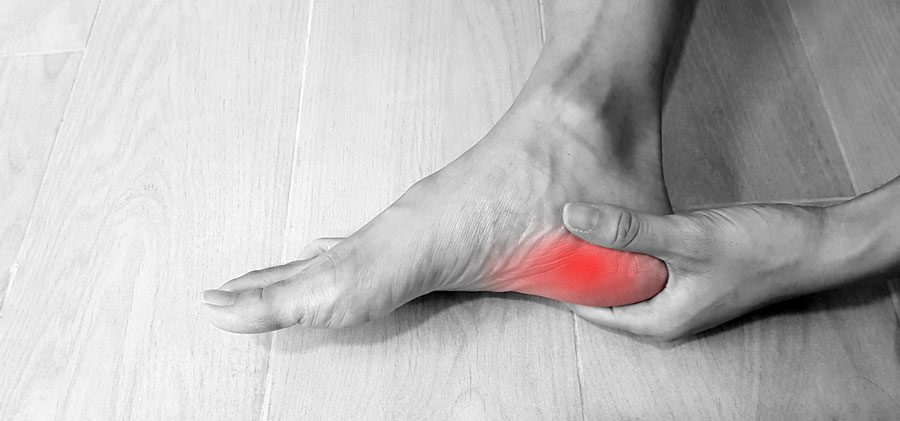
Plantar Fasciitis – Causes and Treatment in Mumbles, Swanseapain on calcaneus, suggestive of plantar fasciitis

The characteristic pain of plantar fasciitis gets you when you first get up. Put your foot down on the floor and ow – it hurts. This pain tends to ease as you get going and the tissue warms up. It is a pain that is easy to define because it hurts so much in one place – just in front of the heel on the underside of your foot. A change in exercise or training habits can trigger it, as can a change in footwear or standing for prolonged amounts of time.

Plantar Fasciitis can be a difficult condition to treat because often it isn’t plantar fasciitis at all but another cause creating the pain on the underside of your foot or heel.

Calf Muscles
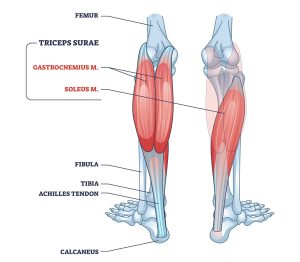
calf muscles


The calf muscles (soleus and gastrocnemius) run down the lower part of the leg and insert into the heel via a common tendon – the achilles tendon. Tightness in either the gastrocnemius or soleus can refer pain into the heel. This is likely a problem if you stretch your calf and feel pulling in the back of the leg, especially if it refers lower down to the heel. Plantar fasciitis pain is often worse in the morning. Overnight, most people sleep with feet slightly pointed – putting the calf muscles in a contracted position. As you get up and stand on the foot the calf muscles are stretched which can be a cause of pain after rest.

Flexor Hallucis Longus

A long name for the muscle that pushes (flexes) the big toe down. This is the movement just before your foot leaves the ground when running – the toes pushes down to help propel you forwards. If flexing your toe against resistance (place finger under big toe whilst pushing it away from you) replicates your pain this is likely your culprit. The pain is typically felt running underneath the foot on the big toe side.

Its a common pain for ballerinas who have to regularly push up on to point (tip toes). Also if you over-pronate as a runner you end up putting excessive force through the big toe as it takes the brunt of the force as you push off to propel forwards.

Tibialis Posterior

This muscle runs up the inside of the leg and helps to invert the foot – pulling the inside of the foot up. This muscle is strongly stressed when running – particularly with over pronation as the muscle is stretched. In the acute phase (over a few weeks) the muscle becomes inflamed. Left untreated and the original stressor still present, chronic cases create degeneration of the muscle or tendon. Pain can be felt on the inside of the ankle and running under the inside of the foot (where the muscle inserts) in the instep.

Tarsal Tunnel Syndrome

There’s a thick ligament on the inside of the ankle – running between the ankle and the achilles tendon on the back of your ankle/ foot. Tendons, the tibial artery and posterior tibial nerve all run under this ligament. The area under this ligament can become congested, sometimes from scar tissue from repeated injury. This can compress the nerve and refer pain into the arch/ instep of the foot. This needs treating quickly. Leaving any nerve compression for a long period of time may lead to permanent nerve damage, resulting in chronic weakness, numbness or pain.

Medial Calcaneal Nerve

The nerve which detects sensation in your heel and bottom of foot in the area where plantar fascitis is found is the medial calcaneal nerve. By modulating this with acupuncture we can reduce intensity of plantar fasciitis.


Heel spurs & Plantar Fasciitis 

Plantar fascia runs on the underside of the foot, connecting the toes to the inside aspect of the underside of the heel. It’s fibrous and acts like a spring when pushing upwards off the foot. Damage to this fascia is typically caused by overuse. Repeated over time the continual trauma near the heel causes the body to create a bony protrusion, known as a heel spur. This is the bodies way of trying to protect an over-stressed area. Its tempting to think that the heel pain is coming from the heel spur, but according to some studies over 50% of patients who have heel spurs removed still suffer the pain (Surgical Treatment of Calcaneal Spurs – A Three Year Study, J AM Pod Med Assc, 1991:81:68-72)– because the pain originated in the damaged plantar fascia. The heel spur was a symptom of the plantar fascia, rather than the cause of the pain.

In longstanding cases of plantar fasciitis there is a high prevalance of necrosis of the tissue around the heel, due to poor blood flow from the medial plantar artery. This artery can be impinged by the muscle which moves the big toe outwards and downwards (abductor hallucis longus). Excess strain can be placed on this muscle when the big toe points inwards excessively (as can occur with bunions), or with excessive pronation of the foot (which stresses the big toe through excessive flexion).

How Can Acupuncture Help

Given the multiple presentations of what can apparently be just plantar fasciitis, a thorough assessment is necessary prior to treatment, where I assess range of movement, strength and get a full history. Treatment times can vary from as little as 3 treatments for recent onset in a fit and healthy patient to 10-12 treatments for patients who have long standing pain and are in relatively poor health.

If you’ like to discuss how I may be able to help you further please schedule a free 15 minute consultation to see me in my Mumbles clinic.

Acupuncture For IBS

September 16, 2025/0 Comments/in Pain, Stress & Anxiety/by Tim W

Acupuncture for Irritable Bowel Syndrome

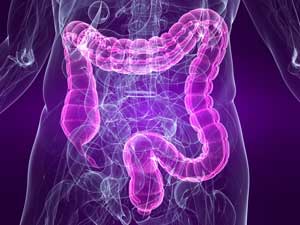
image of large intestineIrritable Bowel Syndrome (IBS) affects 10-20% of the UK population at any one time causing embarrassment and discomfort to sufferers. Up to 12 million people in the UK are affected by IBS at some time in their lives. More women seek help but it is just as common in both sexes and commonly starts between 15-40 years old. Acupuncture for irritable bowel syndrome has been found to be very effective in relieving symptoms.

What is Irritable Bowel Syndrome?

Irritable Bowel Syndrome is a long-term and often debilitating condition that causes re-occurring pain or discomfort in the abdomen. Bloating, swelling, bouts of diarrhoea and/or constipation and feeling sick are just some of the symptoms which can cause misery for sufferers. The exact cause of IBS is unknown; so many sufferers remain undiagnosed or struggle to manage their symptoms.

How do I treat IBS at my Acupuncture Clinic in Swansea?

Traditional acupuncture is a branch of Chinese medicine that recognises the importance of healthy bowels for overall physical and emotional health. Acupuncture for Irritable Bowel Syndrome has been researched, refined and developed in China for thousands of years and understands how emotional stress can combine with physical factors to stagnate the body’s energy, known as Qi, and result in the symptoms of IBS.

Acupuncture moves stagnation and regulates the flow of Qi in order to restore normal bowel function so that your body can properly digest food and eliminate waste products. By alleviating blockages in the body, acupuncture relieves Irritable Bowel Syndrome symptoms by reducing pain. It can also regulate muscular movement and strengthens the digestive tract. It can also have effects on the autonomic nervous system,  reducing anxiety, stress & depression. I look at the body as a whole and may also provide dietary advice to ensure my patients are well nourished and improve digestion.

Acupuncture treats the root cause

Acupuncture can relieve stress, one of the main causes of IBS as well as reduce pain, bloating and nausea. By treating the underlying cause of the problem rather than just the symptoms, acupuncture can provide longer term relief for sufferers.

Pain Amplifiers – Why Your pain May be Shouting Louder Than It Needs to…

August 19, 2023/0 Comments/in Pain/by Tim W

Pain Amplifiers – Why Your pain May be Shouting Louder Than It Needs to…

Pain amplifier - boy standing on music amp.
Most people experience pain from injury. You stub your toe you perceive pain. This suggests all pain is a one way process. Toe gets stubbed, pain signal is sent to the brain, expletive uttered! Done… well not quite.
Whilst pain can come from not only trauma to tissue (as in the case of the stubbed toe), it can be amplified through numerous other factors, including not only the body but also the brain, which affects your interpretation of pain:

Hypothyroid

Hypothyroid exists when your thyroid produces low levels of hormones resulting in tiredness, weight gain, depression (and other symptoms). A low functioning thyroid can also create a condition called hypothyroid myopathy; creating pain and weakness of the muscles.

Insomnia

Sleep deprivation boosts the brains responses to pain and suppresses activity in the areas that modulate pain processing.

Depression, Anxiety and Stress

Depression, anxiety and stress can all increase central sensitisation – effectively turning up the volume on pain signals in the brain that come from the periphery. (You can download my guide to combatting anxiety here… https://www.goweracupuncture.co.uk/swansea/anxiety/)

Oestrogen

There appears to be a link between oestrogen levels and pain. When oestrogen is at its lowest perception of pain tends to be at its highest. This is why the oral contraceptive pill can help level out fluctuations in oestrogen and reduce painful conditions such as migraines and headaches. If pain disappears during pregnancy this could be because oestrogen levels don’t fluctuate much, and increase as full term is approached.

Testosterone

High levels of the male hormone testosterone are associated with lower perception of pain. There have been some very interesting studies looking at pain following gender re-assignment. One third of male to female patients who have had oestrogen and androgen therapy subsequently developed chronic pain. In contrast half female to male patients who previously suffered chronic pain improved after testosterone therapy.

Diet

Low levels of B vitamins have been implicated in neuropathic (nerve) pain. Some studies have shown that 60-70% of chronic pain patients present with vitamin D deficiency. As yet its unclear whether chronic pain causes Vitamin D deficiency or Vitamin D deficiency causes the pain. Magnesium is frequently touted as a miracle cure for pain. It may be influential in the perception of pain but many studies are inconclusive.

Inflammation

Build up of fluid can put pressure on tissue which may compress nerve endings and results in pain. Acupuncture has been shown effective at reducing inflammation.

Some really interesting lab based covid research work has been going on at Harvard Medical School recently. Qiufu Ma, professor of neurobiology there, has been studying how acupuncture affects inflammation associated with Cytokine storms – where massive amounts of cytokines are released causing extensive damage to organs and tissue.

Acupuncture before the onset of cytokine storm increased survival rate from 20% to 80% in mice – only when a specific point on the hind leg was needled.
However, if acupuncture was administered during the cytokine storm it made the disease progression worse. The research is in its infancy and has not been replicated in human trials yet, but its an interesting observation.

To me it underlines the importance of finding a correctly trained acupuncturist, who knows where and when to administer treatment, and also the importance of maintaining good health rather than trying to fix issues once they’ve deteriorated. Its easier to maintain health rather than battle the storm.

Page 2 of 212
Search Search

Recent Posts

  • What actually happens during an acupuncture session?
  • When NOT to Book an Acupuncture Appointment
  • Why is Back Pain so Stubborn
  • Link Between MRI results & Pain
  • Stubborn headaches that just won’t go… Unusual Headache Cures…

Recent Comments

    Archives

    • August 2026
    • July 2026
    • April 2026
    • March 2026
    • January 2026
    • October 2025
    • September 2025
    • August 2023
    • June 2017
    • September 2015

    Categories

    • Headache
    • Health & Immunity
    • Pain
    • Stress & Anxiety
    • Uncategorized

    Contact Details

    Gower Acupuncture
    26 Newton Road
    Mumbles
    SA3 4AX

    Tel: 07764 254881

    Email: tim@goweracupuncture.co.uk

    Follow me on Facebook

    Accesibility

    See our accesibility statement here

    Privacy Policy

    See privacy policy details here

    Sitemap

    • About Tim
      • Acupuncture Treatment Details
      • Testimonials
    • Contact
    • Cookie Policy
    • Home
    • News
    • Pain
      • Back Pain
      • Headache & Migraine
      • Stress & Anxiety
    • Pricing
    • Privacy Policy
    copyright - Gower Acupuncture 2026 - Enfold Theme by Kriesi
    • Link to Facebook
    Scroll to top Scroll to top Scroll to top
    Manage Consent
    To provide the best experiences, we use technologies like cookies to store and/or access device information. Consenting to these technologies will allow us to process data such as browsing behavior or unique IDs on this site. Not consenting or withdrawing consent, may adversely affect certain features and functions.
    Functional Always active
    The technical storage or access is strictly necessary for the legitimate purpose of enabling the use of a specific service explicitly requested by the subscriber or user, or for the sole purpose of carrying out the transmission of a communication over an electronic communications network.
    Preferences
    The technical storage or access is necessary for the legitimate purpose of storing preferences that are not requested by the subscriber or user.
    Statistics
    The technical storage or access that is used exclusively for statistical purposes. The technical storage or access that is used exclusively for anonymous statistical purposes. Without a subpoena, voluntary compliance on the part of your Internet Service Provider, or additional records from a third party, information stored or retrieved for this purpose alone cannot usually be used to identify you.
    Marketing
    The technical storage or access is required to create user profiles to send advertising, or to track the user on a website or across several websites for similar marketing purposes.
    • Manage options
    • Manage services
    • Manage {vendor_count} vendors
    • Read more about these purposes
    View preferences
    • {title}
    • {title}
    • {title}