Tel: 07764254881
Gower Acupuncture
  • Home
  • Pain
    • Headache & Migraine
    • Back Pain
    • Stress & Anxiety
  • Booking & Cost
  • About Tim
    • Reviews
    • Acupuncture Treatment Details
  • Contact
  • News
  • Click to open the search input field Click to open the search input field Search
  • Menu Menu

What actually happens during an acupuncture session?

August 25, 2026/0 Comments/in Uncategorized/by Tim W

What actually happens during an acupuncture session?

Many people arrive for their first appointment slightly nervous — especially if they dislike injections or have never had acupuncture before. There’s no need though…

The first session begins with a conversation about your pain, your general health, sleep, stress levels, energy, and anything that seems to aggravate or relieve your symptoms, followed by a physical assessment, where appropriate. This helps me build a fuller picture of what may be contributing to the pain so I can develop a treatment plan.

Treatment itself is typically very gentle. I always start gently and work up in intensity – always working with you, rather than telling you what’s going to happen. Acupuncture is all about balance. At a micro level, I’m mildly stressing your system to help rebalance it. Too much “stress” and you’ll ache after treatment. Not enough “stress” and nothing changes. A skilled acupuncturist is always assessing and modifying treatment intensity to get the best results. Stronger treatment is overwhelmingly not the best treatment.

The needles used in acupuncture are extremely fine — much finer than those used for blood tests or injections.The needles I use are 0.2mm wide. Most people feel very little as the needles are inserted. Occasionally there may be a brief tingling, warmth, heaviness, or dull ache around a point, which is completely normal.

Once the needles are in place, many people find the treatment surprisingly relaxing. Some even fall asleep during the session.

Appointments are always adapted to the individual. Some people come in with long-standing back pain, others with neck tension, migraines, stress-related symptoms, or pain that has persisted despite trying multiple other approaches.

You don’t need to “believe” in acupuncture for it to be worth exploring. In fact I’ve had vets and animal owners who have come to me after seeing the changes their horse or dog have undergone post acupuncture. Most people simply come because they want to feel better and regain some quality of life.

Why is Back Pain so Stubborn

August 11, 2026/0 Comments/in Uncategorized/by Tim W

Why is back pain so stubborn?

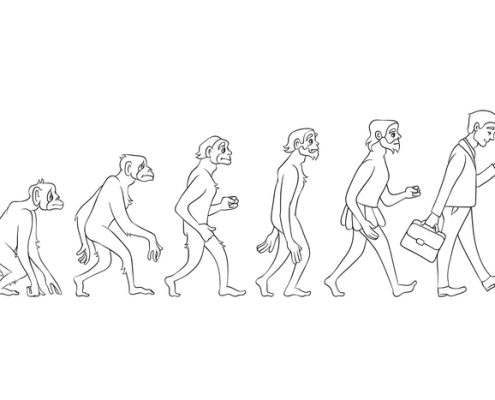
Having evolved from monkeys, back pain is sometimes atributed to “the price we pay for walking upright”. Having evolved fairly rapidly from walking on all fours to upright our spines aren’t perfectly adapted to the relatively new job of standing upright. Add to that our mostly sedentary, tech based postures and you’ve got the perfect catalyst for back pain. You’re not alone. Over half (60%) of the population will have back pain at some time in thier lifetime.

Evolution of back pain

What’s the solution?

You may have already tried massage, osteopathy, physiotherapy, stretching exercises and multiple medical appointments. Frustratingly, sometimes scans and tests don’t fully explain the level of pain you’re experiencing.

If you go to your doctor with back pain you’ll more than likely get a diagnosis of “non-specific” lower back pain. This is the majority diagnosis. Approximately 90% of lower back pain is diagnosed as non specific. Non-specific is a technical term meaning “we’re not quite sure what’s going on”.

So What Could Be Causing Your pain?

Fascia

Fascia is a thin layer of connective tissue, like a sausage skin, that sits under the skin and holds everything together. Its everywhere, all through the body.

Fascia is an important part of our structure.  Most human fascia contains approximately 250 million nerve endings. Roughly the same as you’ll find in skin. If you suffer from chronic pain the number of these nerve fibres that sense pain can grow. Studies in rats have suggested the amount of nerve fibres may almost triple, which may explain why it can be so difficult to treat chronic pain. Its thought that chronic inflammation causes the proliferation of these nerve fibres.

Initial research suggests that the sympathetic nervous system (responsible for the fight or flight mechanism) may trigger inflammation in the fascia, causing it to stiffen and compound the problem. Could it be then that fascia is responsible for a large part of the 90% of “non-specific” lower back pain? Scientifically this can’t be answered yet, but maybe.

Muscle

Muscular pain tends to be dull and achey, and gets worse when you use the affected muscle. Trigger points are taught bands in muscle that can refer pain to a different area. For example sometimes tightness in abdominial muscles can refer a dull pain into the back. Tight muscles don’t show up on a scan and seem to be often overlooked by primary care physicians.

Trapped Nerve

Nerve pain tends to be different to muscular pain; sharp, shooting, numb and tingling. When a nerve is compressed (or trapped) pain can refer down along the nerve pathway. Nerve compression from bony structures can be picked up from x-rays. Other compression, from muscular tension, are not picked up on  on x ray and may be diufficult to discern on some MRI scans.

Certain nerves exiting the spine can become trapped by paraspinal muscles, referring pain forward to the flanks and even to the front of the body into the abdomen. Damage to the muscle can cause inflammation and swelling that can then trap the nerve.The result is neuropathic pain from a muscular origin.

Viscera

Viscera are the organs. They don’t tend to have many intrinsic nerve fibres and can refer pain to other parts of the body. The most well known pain refrral pattern is pain into the shoulder, upper back and arm from dysfiunction of the heart. The kidneys can refer pain into the lower back to the hips and groine area. The bladder causes pain even lower around the sacrum. Liver, gall baldder and pancreas dysfunction result in mid back pain. Visceral pain does not tend to change with movement.

It can be difficult to differentiate visceral pain from somatic pain. It may be more diffuse, have other signs of autonomic nervous system involvement (rapid breathing, sweating, heart rate changes, nausea) and the pain may not vary so much with movement.

Central Sensitisation

When pain persisists for over 12 weeks it becomes chronic. The misery of chronic pain can cause the brain to become over-alert, hyper-sensitive and on the look out for any pain signal. When it finds these signals it amplifies them. Making you more miserable and therefore more alert to pain signals.

The nervous system itself can then become overprotective and sensitised. This is one reason chronic pain can continue even after tissues have healed. Chronic pain is more than just pain. It not only dominate your senses but also your mood, inducing depression, anxiety and stress.

If you’re living with pain and looking for a more natural, supportive way forward, I’d love to help.

Calendar Calendar Book Free 15 Minute Consultation


Stubborn headaches that just won’t go… Unusual Headache Cures…

July 28, 2026/0 Comments/in Uncategorized/by Tim W

Getting stubborn headaches that just won’t go? Heal yourself with some left-field cures you may never heard of before…


Omega 3

Omega 3 fatty acids – as found in fish oils. Scientific reviews suggest there is moderate evidence to suggest the therapeutic role of omega 3 in treating headaches, most probably by reducing inflammation (https://www.ncbi.nlm.nih.gov/pmc/articles/PMC7572026/). Interestingly the same studies suggest that omega 6 induces an inflammatory response. So try to reduce intake of seeds, nuts, poor quality meat, dairy, sunflower or corn oil and up your intake of omega 3 fish oils if you want to reduce inflammation. There are very few contra-indications other than the risk of bleeding at high doses beyond 3 grams per day.

Creatine Monohydrate

Beloved  by weight-lifters to bulk up muscle. Low creatine levels have been found in the thalamus of brains of some migraine sufferers. This suggests that taking creatine as a supplement may increase these endogenous creatine levels and reduce symptoms of migraine. It’s important to remain hydrated when taking creatine. If not , perversely, you may get a headache caused by dehydration from the creatine.

Turmeric

A potent anti-inflammatory. So potent that there are some caveats. Don’t take too much if exercising as you’ll not benefit from the inflammatory phase of exercise. Turmeric can also affect clotting, acting as a blood thinner. This may be an issue if you’re already on blood thinners such as warfarin. Or it may be an added bonus as it may also help protect against heart disease (https://www.ncbi.nlm.nih.gov/pmc/articles/PMC8833931/) due to its anti-inflammatory and anti-oxidative properties.

Muscular Tension

Numerous muscles can cause headache. Typically tension from neck muscles refers pain on to the head. What makes this difficult to diagnose is that for some muscles you can’t feel any pain in the neck, just the head. Whilst there are numerous culprits the most prolific muscle is the upper trapezius. This tends to refer to the back of the head and when its really thumping, onto the front of the head as well. To check if this muscle could be contributing to your headaches try pinching the muscle that slopes down from your neck to your shoulder.

Sleep

Numerous bad things come from not getting enough sleep; poor memory & cognitive function, compromised immune system, poor tissue repair, depression. Increased feelings of sleepiness may also predispose you to poor diet choices – reaching for high glucose foods to give you an instant energy boost, which could lead to a lack in the following essential nutrients.

Vitamin B12

Vitamin B12 deficiency can lead to demyelination of nerve sheaths (essentially damaging the nerves), mimicking symptoms of MS; weakness, tiredness, numbness and tingling, depression. Up to 20% of the elderly are estimated to be vitamin B12 deficient. Check you are eating enough B12 rich foods (red meat, fish, shell fish, fortified soy products, dairy).

Vitamin D

Spend a lot of time indoors? Symptoms get worse in the winter? Don’t eat much in the way of fish, eggs or diary? Perhaps you have a Vitamin D deficiency. Particularly important to check out given that Vitamin D deficiency has been associated with increased risk of cancer.

Magnesium

Magnesium is an essential electrolyte, Its a macro nutrient meaning its needed in large quantities. It’s a nutrient important for proper muscle and nerve function, allowing muscles to relax. Deficiency can result in muscle weakness, twitching, dizziness, nausea and irritability. It can even be the root cause of low calcium or potassium levels.
Magnesium is also critical for production of the feel good hormone serotonin. Low levels can be responsible for depression. Requirements will rise for magnesium if you’re doing hard physical work, are under emotional stress or taking certain medications such as chemotherapy, anti- fungals, medications for infections and others. In trials magnesium tends to work best for migraine and menstrual headaches.
Bananas, avocados, nuts, dark green leafy vegetables and dark chocolate all contain high levels of magnesium.

Stress & Anxiety

Stress is a common trigger for both tension type headaches and migraine. So lowering stress and anxiety should be an integral part of your plan to get better. In brief; exercise, breathing exercises, connecting emotionally with others, reframing apparently negative events into positives and meditation can all help.

This is a far from exhaustive list of potential culprits. I haven’t even covered environmental toxins, bowel function, other nutrients such as riboflavin, thiamine, co-enzyme Q10, carnitine (from meat products) or niacin. As you may have gathered pinning down the cause of your headache and fixing it is no easy solution. And some solutions contradict others. For example lowering your omega 6 intake by eating fewer nuts may then adversely impact your magnesium levels.

Thankfully acupuncture is effective at treating a great deal of headaches and migraines without the need for a radical dietary overhaul. If you’d like to see if I can help please book a free 15 minute on the following button…

Calendar Calendar Book Free 15 Minute Consultation

Acupuncture For Hot Flushes

September 17, 2025/0 Comments/in Uncategorized/by Tim W

Acupuncture To Treat Hot Flushes

Menopausal Women having a hot flush
Exciting new research has just emerged from the Perelman School of Medicine at the University of Pennsylvania suggesting that acupuncture is better than medication for hot flushes post breast cancer.

Whilst hot flushes are typically associated with the menopause, patients are often left with low levels of oestrogen after treatment. These low levels often leave the patient with insomnia. Surviving breast cancer means the conventional treatment Hormone Replacement Therapy is out of bounds. Typically patients are instead prescribed gabapentin, a very potent medication typically used for pain relief and epilepsy.

What is Gabapentin?

  • Gabapentin is an anti-epileptic drug typically used to treat epilepsy, migraines and pain. It can have serious side effects of, amongst others, nausea, visual disturbances, depression, tremor, confusion and, ironically, headache. In other words its not something you should be jumping to take..

Details Of The Study On Acupuncture For Hot Flushes

A sample of 120 women who had undergone treatment for breast cancer were assigned to treatment of either Gabapentin, acupuncture, sham acupuncture or placebo. Acupuncture was carried out twice weekly for two weeks then weekly for the remaining 6 weeks of the trial period. Excitingly acupuncture lowered the severity and frequency of hot flushes – more than gabapentin, with the added bonus of a reduction in side effects compared to the drug.

I have treated a number of menopausal patients successfully for hot flushes and insomnia. Its great to see medical research now backing up my own experiences.

What Does it Mean to be Healthy?

June 10, 2017/0 Comments/in Uncategorized/by Tim W

Definition of Health

care free lady enjoying lifeThe definitive definition of health was developed in the late 1940’s by the World Health Organisation (1948) as
“Health is the state of complete physical, mental and social well-being and not merely the absence of disease”.

An alternative and somewhat more mechanistic definition of health from a conventional viewpoint http://www.ncbi.nlm.nih.gov/sites/entrez defines health as “the state of the organism when it functions optimally without evidence of disease”. Although this provides a clear definition, conventional practitioners (doctors) diagnose disease by looking at signs and symptoms. If the patient suffers from a functional disease, such as chronic fatigue syndrome, where there are few if any objective signs for the practitioner to observe, they would be defined as healthy using this definition, despite not being close to a state of “complete physical, mental and social well being” according to the WHO.

Freud defined health as “the capacity to love and work”.

Gascoigne – a proponent of alternative and complementary medicine – defines health as “a freedom from limitation of activity “ where symptoms on an emotional and physical level limit an individuals activity.

Health is therefore an optimal position to strive towards, rather than something that is readily available. The body’s homeostatic responses ensure we are in a constant state of flux, tending towards health but perhaps never reaching a healthy state as defined by the World Health Organisation or Gascoigne. Health seems closer to the Buddhist concept of enlightenment than realistic achievable goals for current patients constrained by the stresses and strains of modern living.

Understanding of disease

If a person is “healthy” then according to the above definitions of health they must at least be free from disease. Mosby’s medical, nursing, & allied health dictionary (2002, p533) defines disease as a ”condition of abnormal vital function involving any structure, part or system of an organism”.

Western medicine tends to separate the disease and the person talking of disease as a thing, not as a part of a total life process. It augments its reductionist view by then isolating the cause of disease with a view to change, control or destroy. A distinct line is drawn between the disease and the patient. The disease is therefore something that happens to the patient that they have no control over. This absolves the patient of any involvement in the healing process. While this view, may on the whole be prevalent within conventional medicine, conventional treatment is not always reductionist.

In psychological diseases such as depression and stress the patient often has the option to get involved in the healing process through counseling, where they can take positive steps to improve their situation. The reduction of this depression and stress may then reduce other secondary side effects of the disease, such as IBS or palpitations, thereby removing disease without eliminating or suppressing through the use of drugs or surgical operations.

Acupuncturists tend to take a more holistic view of disease, looking at emotional, mental and physical aspects of the individual rather than stripping the body to constituent parts to work on in isolation. The Nei Jing (an ancient oriental medical textbook) expands on this theory further “the universe stemmed from one universal yuan qi, which meant that an event in any point of the universe resonated with phenomena of ‘like qi’ elsewhere.” That is to say, we are all products of our environment and inextricably linked to it. Psychologist Abraham Maslow has postulated, that “sick people are made sick by a sick culture, healthy people are made possible by a healthy culture”.

Symptoms

Both conventional and alternative medicine rely on observation to a greater or lesser degree to ascertain symptoms and diagnose disease. It is important to realise that it may be impossible to get a truly objective picture of a patients symptoms. Modern quantum physics teaches that the act of observation of an experiment may alter the outcome of an experiment . Similarly the act of observing a patient may well alter the symptoms or signs they display, or that I as a practitioner perceive they display . As Gascoigne states “The question to ask is whether the subjective element can ever be removed completely? Perhaps it is possible to affect the outcome of a trial merely by mental attitude”.

Where alternative and conventional medicine diverge is in the use of invasive tests to confirm or disprove diagnosis of disease. According to the NCBI paper “Fatal Outcomes of endoscopy: an analysis from the coroner’s point of view”, from a sample of 22,000 deaths in Hamburg, Germany 86 of those were complications following endoscopy, mostly resulting from perforation and bleeding.

According to the book What Doctors Don’t Tell You endoscopy kills one in 2000 patients and removal of sample tissue when diagnosing suspected cancer may cause cancer to spread. Recognising these risks the author suggests “it is vital you forgo any test…unless it is truly vital”. This statement, that all tests are destructive and harmful, is, in my opinion, irresponsible. How does a lay patient know what is “truly vital”?

Approaches to Treatment

A cure can either affected in an allopathic manner or homeopathic manner. In an allopathic approach disease is seen to be the enemy that must be eliminated or suppressed. The conventional practitioner may treat the body like a machine separating out mind and body, then adopting a reductionist approach where, according to Nettleton “explanations of disease focus on biological changes to the relative neglect of social and psychological factors” . Treatments will then primarily be based at a physical level using surgery and drugs.

Antibiotic drugs are an example of an eliminative treatment, ridding the body of pathogenic organisms in the case of an infection. Quite literally when translated into latin they mean “against life”. In homeopathic treatments (including acupuncture) like cures like and the practitioner works with the bodies energy, be that negative or positive, to affect a cure.

A key factor in the approach to treatment is the amount of time each type of practitioner can spend with their patient. A conventional General Practitioner in the UK spends a lot less time with patients than an alternative practitioner. According to the BBC (2007), data released by the Information Centre for Health and Social Care stated that the “average consultation time in 2006/07 was 11.7 minutes”. A typical consultation with an alternative practitioner , such as an acupuncturist or homeopath, may range from forty-five minutes to one hour. It may be unrealistic to expect a GP to be holistic in his/her approach to treatment as in just under twelve minutes he/ she would barely have enough time to take down full details of the complaint. A forced reduction in time spent with the patient, through workload pressure means that the GP is forced to take a reductionist viewpoint. There is simply not enough time to talk beyond the direct issues that affect the patient at that moment in time. As Max Parrot of the American Medical Association puts it ” the technical aspects of medicine are easy. The difficult part is dealing with the personality of the patient.”

It is perhaps these time constraints and difficulties in dealing with patients that have led to the overprescription of antibiotic drugs. A 1981 study into prescription of antibiotic drugs, in the Review of Infectious Diseases claimed that “in half cases where antibiotics were prescribed, the medical condition did not warrant them”. It is important to bear in mind that the first point on the General Medical Council good medical practice guide (2006) is “make the care of your patient your first concern”.

Understanding of Cure

According to psychologist Abraham Maslow in order to become healthy, and therefore affect a cure, patients need to put significant work into self-realisation. This work entails “discipline, deprivation, frustration, pain and tragedy”.

If we consider cure as a movement towards health as expounded by the national institutes of health that “the state of the organism when it functions optimally without evidence of disease” we would see a cure affected when no symptoms are present. A conventional practitioner may be content with such a cure, whereas an alternative practitioner may argue that in attempting to abolish physical symptoms the conventional practitioner has just pushed the disease deeper into the body. In such a situation the alternative practitioner may expect to see recurring future emotional and mental symptoms.

Search Search

Recent Posts

  • What actually happens during an acupuncture session?
  • When NOT to Book an Acupuncture Appointment
  • Why is Back Pain so Stubborn
  • Link Between MRI results & Pain
  • Stubborn headaches that just won’t go… Unusual Headache Cures…

Recent Comments

    Archives

    • August 2026
    • July 2026
    • April 2026
    • March 2026
    • January 2026
    • October 2025
    • September 2025
    • August 2023
    • June 2017
    • September 2015

    Categories

    • Headache
    • Health & Immunity
    • Pain
    • Stress & Anxiety
    • Uncategorized

    Contact Details

    Gower Acupuncture
    26 Newton Road
    Mumbles
    SA3 4AX

    Tel: 07764 254881

    Email: tim@goweracupuncture.co.uk

    Follow me on Facebook

    Accesibility

    See our accesibility statement here

    Privacy Policy

    See privacy policy details here

    Sitemap

    • About Tim
      • Acupuncture Treatment Details
      • Testimonials
    • Contact
    • Cookie Policy
    • Home
    • News
    • Pain
      • Back Pain
      • Headache & Migraine
      • Stress & Anxiety
    • Pricing
    • Privacy Policy
    copyright - Gower Acupuncture 2026 - Enfold Theme by Kriesi
    • Link to Facebook
    Scroll to top Scroll to top Scroll to top
    Manage Consent
    To provide the best experiences, we use technologies like cookies to store and/or access device information. Consenting to these technologies will allow us to process data such as browsing behavior or unique IDs on this site. Not consenting or withdrawing consent, may adversely affect certain features and functions.
    Functional Always active
    The technical storage or access is strictly necessary for the legitimate purpose of enabling the use of a specific service explicitly requested by the subscriber or user, or for the sole purpose of carrying out the transmission of a communication over an electronic communications network.
    Preferences
    The technical storage or access is necessary for the legitimate purpose of storing preferences that are not requested by the subscriber or user.
    Statistics
    The technical storage or access that is used exclusively for statistical purposes. The technical storage or access that is used exclusively for anonymous statistical purposes. Without a subpoena, voluntary compliance on the part of your Internet Service Provider, or additional records from a third party, information stored or retrieved for this purpose alone cannot usually be used to identify you.
    Marketing
    The technical storage or access is required to create user profiles to send advertising, or to track the user on a website or across several websites for similar marketing purposes.
    • Manage options
    • Manage services
    • Manage {vendor_count} vendors
    • Read more about these purposes
    View preferences
    • {title}
    • {title}
    • {title}